

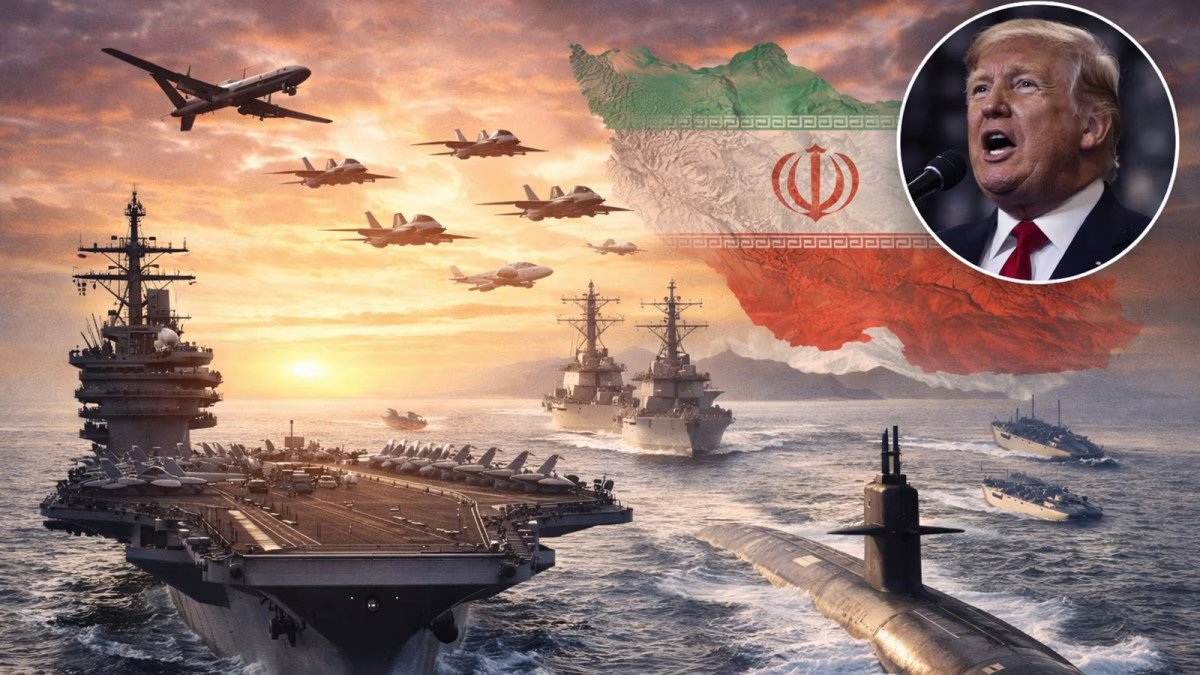
In early 2026, relations between Iran and the United States have entered one of their most volatile phases in years — marked by military buildup, nuclear diplomacy, economic pressure, and global concern. What started as simmering disagreement over nuclear ambitions and regional influence is now approaching a critical juncture that could reshape Middle East geopolitics.
1. The Core of the Dispute: Nuclear Program + Diplomacy
At the heart of the tension is Iran’s nuclear program — Tehran insists on its right to enrich uranium for peaceful energy needs, but Washington views this program with deep suspicion, fearing it could lead to weaponization. After years of faltering agreements, indirect nuclear talks resumed in early 2026 in Geneva and Oman, facilitated by intermediaries like Oman. Iranian officials have indicated that “good progress” was made toward agreeing on basic principles, though key disagreements remain over enrichment limits and sanctions relief.
Despite these diplomatic efforts, there’s a sense of urgency — both sides want a diplomatic solution, but the deadline pressures and mistrust fuel rapid escalation.
2. Military Posturing: Build-Up and Warnings
While diplomats talk, both nations are preparing militarily. The United States has deployed what analysts describe as its largest air power presence in the Middle East since the 2003 Iraq war, signaling a serious readiness posture should diplomacy collapse.
Iran, in turn, has responded with naval exercises near the strategic Strait of Hormuz — a chokepoint through which roughly a fifth of global crude oil flows — demonstrating its ability to disrupt energy routes and raise pressure on the global economy.
Adding to the tension, U.S. leaders have issued warnings that military options remain on the table if Iran refuses to make what Washington sees as necessary concessions.
3. Economic Ripples: Oil Markets and Sanctions
The geopolitical standoff isn’t confined to military strategy — it’s already impacting global markets. Fears of a conflict have pushed oil prices to six-month highs, as traders factor in potential disruptions to Middle Eastern supply.
Meanwhile, the U.S. continues to use sanctions as a pressure tool, targeting Iranian officials and institutions connected to human rights abuses and financial networks. These economic measures deepen Tehran’s isolation, while Iran seeks alliances and alternatives to blunt their impact.
4. Regional and Global Reactions
The tension between Iran and the United States doesn’t exist in a vacuum — other regional powers are actively involved:
- Gulf states, including Qatar, Oman, and others, are pushing for diplomatic engagement to avert conflict.
- Some analysts suggest that Tehran sees Washington’s demands as tantamount to surrender, complicating talks.
- The economic impact extends beyond oil — global markets for defense and safe-haven assets have reacted strongly to every fluctuation in diplomatic signals.
5. Why This Matters
This isn’t just a distant political standoff — the consequences are wide-ranging:
- Global energy prices are sensitive to any risk of disruption in the Middle East.
- Regional wars or proxy conflicts could ignite if diplomacy fails.
- The worldwide community watches nervously; a direct military confrontation would disrupt trade, security, and alliances far beyond the immediate region.
In short, the Iran–U.S. tension in 2026 is a multifaceted crisis — involving diplomacy, deterrence, economics, and broader regional strategy. While negotiation channels remain open, the risk that frustration or miscalculation could trigger confrontation is real.
Whether this chapter ends in a diplomatic breakthrough or in a broader crisis depends on how negotiators balance tough demands with the imperative to avoid war.










Related Posts
Stay Informed With the Latest & Most Important News
Previous Post
Next Post









-
 01Hidden Travel Gems of the World: 7 Places You’ve Probably Never Heard Of — But Should
 -
 02New Study Reveals Simple Lifestyle Changes Linked to Longer Life
 -
 03How to Pose People Who Are Not Models for Natural and Authentic Portraits
 -
 04DIY Furniture: Creativity, Savings, and Style for Modern Living
 -
 05The Rising Trend of Electric Bikes: Why E-Bikes Are Changing the Way We Ride
 -
 06Top Tips to Stay Motivated and Avoid Burnout While Working Remotely
 -
 07How Artificial Intelligence is Revolutionizing Auto Manufacturing