


In the age of artificial intelligence, the way we interact with technology is changing rapidly — not just through smartphones and voice assistants, but now right in front of our eyes. AI-powered smart glasses are emerging as one of the most exciting wearable categories, and at the forefront are Ray-Ban AI glasses — a collaboration between iconic eyewear brand Ray-Ban and Meta (formerly Facebook). These smart glasses bring together classic style and cutting-edge AI features, making tech more natural, hands-free, and integrated into daily life.
Let’s explore what these innovative glasses offer, how they work, and why they’re generating so much buzz.
😎 A Stylish Step Into Smart Eyewear
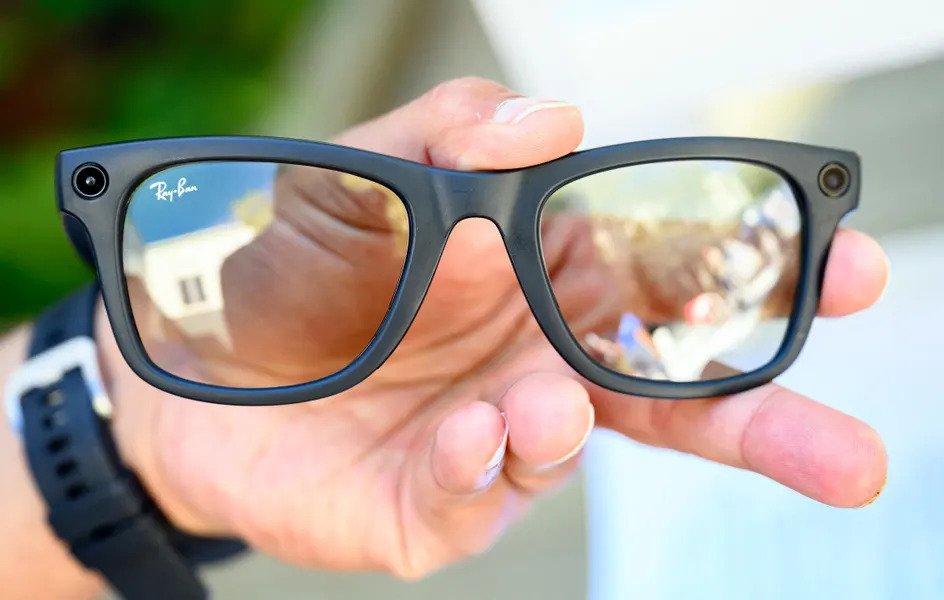
Ray-Ban has long been known for timeless sunglasses and optical frames like the Wayfarer and Skyler. The new AI glasses retain those classic silhouettes while adding next-generation tech inside — blending fashion and functionality. Unlike bulky AR headsets or futuristic goggles, these look like regular glasses you might wear every day.
🧠 What Makes Them “AI Glasses”?
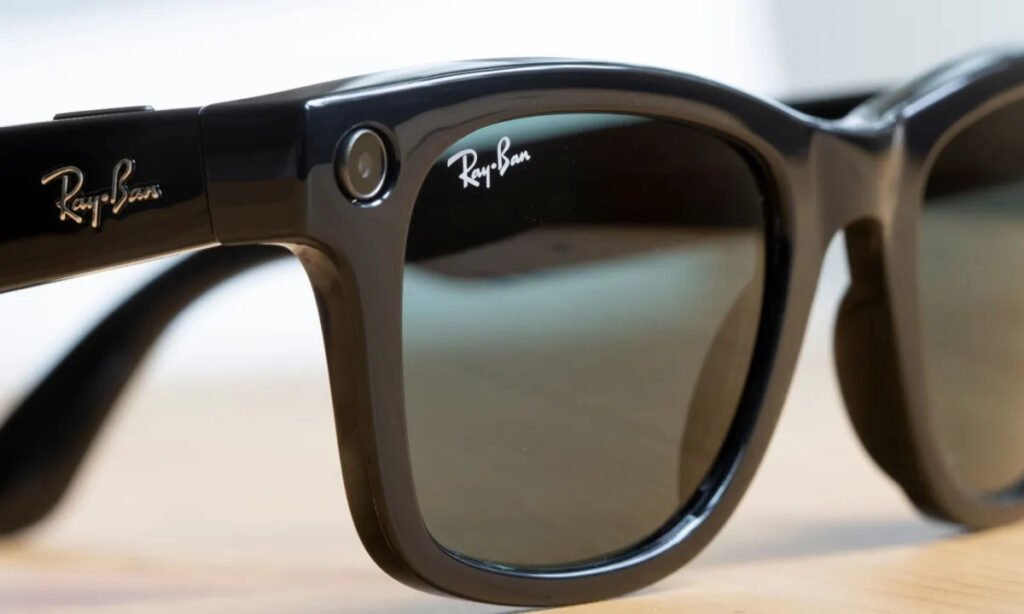
At their core, Ray-Ban AI glasses are wearable smart devices powered by Meta AI, the advanced artificial intelligence assistant developed by Meta. This means you can interact with the world around you using voice commands and get intelligent responses in real time — all without pulling out your phone.
Here are some ways AI enhances the experience:
🎤 Voice-Driven AI Commands
You can simply say “Hey Meta” to activate the AI. Once awake, Meta AI can help with:
- Identifying songs playing around you
- Giving contextual information about objects or places you see
- Setting reminders hands-free
- Performing tasks like sending messages or starting live translation
All the responses come through the glasses’ built-in open-ear speakers.
🌍 Live Translation & Real-World Answers
Travelers and multilingual users will appreciate real-time language translation — for example, hearing nearby conversations in your preferred language. The glasses can also use their camera to help identify landmarks or objects you’re looking at and provide information about them.
📸 Smart Camera & Multimedia Features
These glasses aren’t just about AI voice — they also include a reliable camera system:
- A 12-megapixel ultra-wide camera for taking photos and recording short videos in 1080p.
- Live streaming directly through apps like Facebook or Instagram using your first-person view.
- Social sharing via the companion app, plus storage and content management on your paired smartphone.
This makes the glasses a hands-free content creation tool, ideal for capturing moments while traveling, exploring, or just living life.
🔊 Built-In Audio & Voice Controls
Instead of isolating speakers, Ray-Ban AI glasses use open-ear directional audio, meaning you can hear AI responses and media without blocking out the world around you. This makes interactions more natural and less intrusive — a big plus for everyday wear.
Voice commands can handle tasks from taking pictures to controlling media playback — keeping your hands free and eyes focused.
⚡ Battery, Performance & Practical Considerations
Powered by Qualcomm’s Snapdragon AR1 platform (in many models), these glasses balance performance with wearability. They include:
- Typically around four hours of active use on a single charge, extendable with a charging case.
- Bluetooth and Wi-Fi support for pairing with phones.
- Water-resistance (IPX4) for everyday use in light rain or splashes.
However, it’s worth noting that AI capabilities can vary by region — some features (like advanced “look and ask” visual AI) may only be available in specific markets initially.
🤔 Potential Challenges & Future Growth
Despite the enthusiasm, early users have noted some limitations:
- Feature availability varies globally, meaning not all AI functions work everywhere yet.
- Battery life and audio quality — while good — won’t replace dedicated earbuds or a smartphone for long media sessions.
- Some users find that certain AI responses still feel limited compared to full smartphone AI experiences.
Still, the glasses are regularly updated with new features — including expanded language support (like Hindi, Telugu, Kannada) and even creative image-restyling tools for seasonal fun.
📈 The Big Picture: AI Meets Everyday Wearables
Ray-Ban AI glasses represent a bold step toward the mainstreaming of wearable AI. They show how smart technology can be integrated into familiar, stylish designs without feeling futuristic or awkward. For users who want hands-free assistance, instant translation, contextual AI responses, and social content creation without pulling out a phone, they offer a compelling glimpse into the future of wearable tech.
From classic Wayfarers to sleek styles with advanced AI, these glasses aren’t just a gadget — they’re a wearable gateway to a connected, intelligent tomorrow.










Related Posts



Stay Informed With the Latest & Most Important News
Previous Post
Next Post










-
 01What to Wear to a Job Interview in 2026
 -
 02Sleep Science Shows Why Quality Matters More Than Duration
 -
 03How to Increase Your Home’s Value with Simple Renovations
 -
 04Why Travel Changes Your Perspective on Life
 -
 05How Social Media Influences Fashion Trends
 -
 06The Manufacturing of Robots: From Concept to Intelligent Machines
 -
 07How to Save on Groceries Without Sacrificing Quality or Freshness