

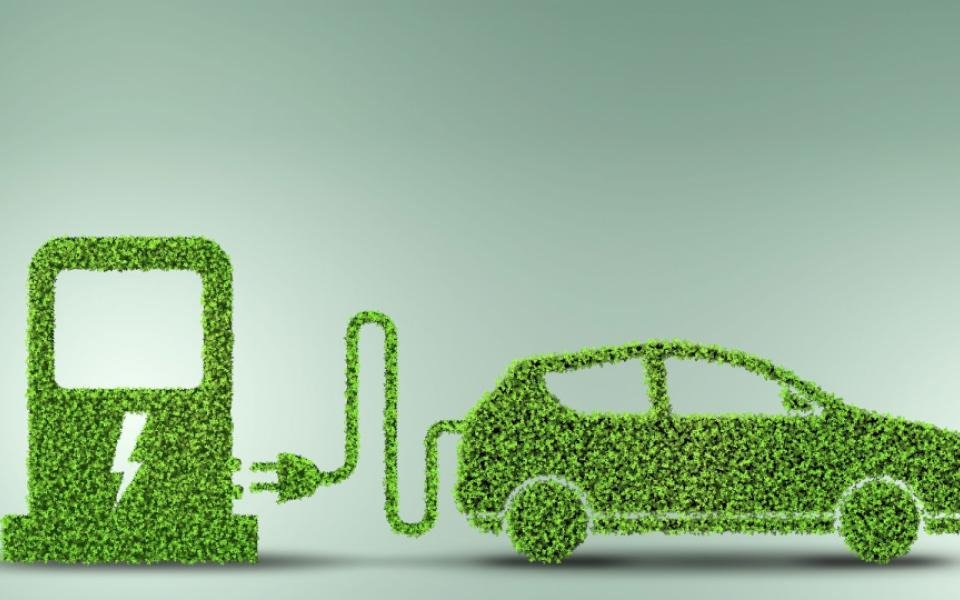
The automotive world is undergoing one of the biggest transformations in its history. What once seemed like a futuristic concept is now becoming an everyday reality. Electric vehicles (EVs) are no longer niche products for early adopters or environmental enthusiasts—they are rapidly becoming mainstream. The EV revolution is here, and it is reshaping how we think about transportation, sustainability, and technology.
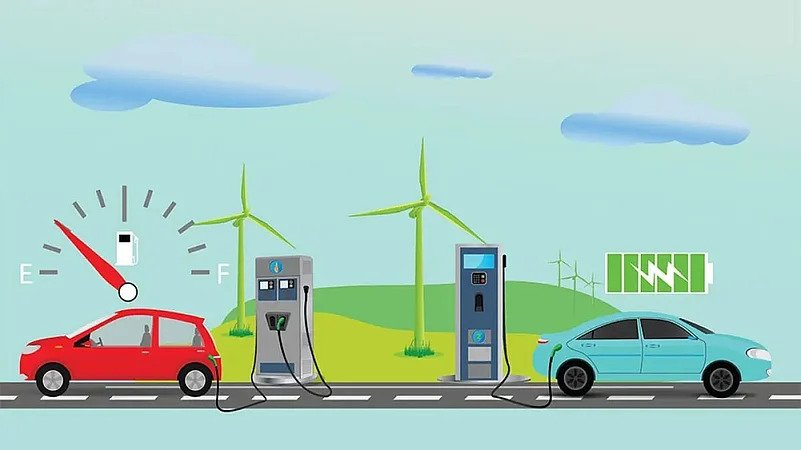
From Experiment to Mainstream Movement
A decade ago, electric cars were often criticized for limited range, high prices, and scarce charging infrastructure. Today, that narrative has dramatically changed. Advances in battery technology have significantly improved driving range, with many modern EVs offering over 300–500 kilometers on a single charge. At the same time, battery costs have steadily declined, making EVs more affordable and competitive with traditional internal combustion engine (ICE) vehicles.
Governments across the globe are accelerating this transition through incentives, subsidies, tax benefits, and stricter emission regulations. Climate commitments and net-zero targets are pushing countries to reduce dependence on fossil fuels, and EVs are central to that strategy. As a result, global EV sales have grown year after year, capturing an increasing share of the total automobile market.
Technology Driving the Change
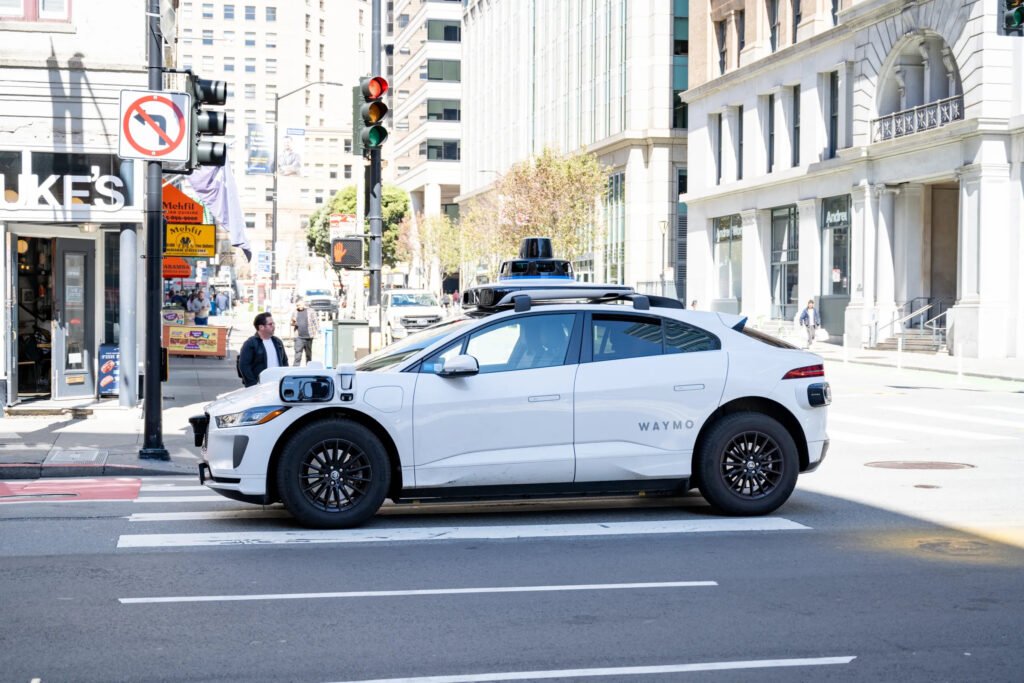
Electric cars are not just about replacing petrol with batteries—they represent a technological leap forward. Modern EVs are essentially computers on wheels. They come equipped with advanced driver-assistance systems (ADAS), real-time software updates, AI-powered navigation, and connected features that enhance safety and convenience.
The rise of software-defined vehicles has further strengthened the EV ecosystem. Over-the-air updates allow manufacturers to improve vehicle performance, add new features, and fix bugs without requiring a visit to a service center. This continuous improvement model makes EV ownership feel more like owning a smartphone than a traditional car.
Moreover, EVs deliver instant torque, smoother acceleration, and quieter rides, offering a driving experience that many consumers find superior to conventional vehicles.
Expanding Charging Infrastructure
One of the biggest concerns for potential EV buyers has been charging infrastructure. However, this challenge is being addressed rapidly. Public charging networks are expanding in urban centers, highways, and residential areas. Fast-charging stations can now recharge a vehicle up to 80% in under an hour, making long-distance travel more practical.
In addition, home charging solutions are becoming more accessible. Many EV owners charge their vehicles overnight, turning daily refueling into a convenient routine rather than a separate task. Innovations such as smart grids and renewable energy integration are further enhancing the sustainability of the charging ecosystem.
Economic and Environmental Impact
The shift to electric mobility is not just an environmental decision—it is also an economic transformation. The EV industry is creating new jobs in battery manufacturing, software development, charging infrastructure, and renewable energy integration. Countries investing early in EV technology are positioning themselves as leaders in the future automotive supply chain.
From an environmental perspective, EVs significantly reduce tailpipe emissions, contributing to cleaner air in cities and lower greenhouse gas emissions overall. When powered by renewable energy sources, their environmental benefits multiply. As battery recycling and second-life applications improve, the lifecycle impact of EVs continues to decrease.
Changing Consumer Mindsets
Perhaps the most important driver of the EV revolution is changing consumer perception. Buyers are increasingly valuing sustainability, lower operating costs, and advanced technology. Rising fuel prices have also made EVs financially attractive due to lower charging and maintenance expenses. With more models available across price segments—from compact hatchbacks to luxury SUVs—consumers now have diverse choices tailored to their needs.
The stigma around range anxiety is gradually fading as infrastructure improves and real-world driving data proves EV reliability.
The Road Ahead
The EV revolution is still in its early chapters. Continued innovation in solid-state batteries, faster charging technologies, and autonomous driving systems will further accelerate adoption. While challenges such as infrastructure gaps and raw material supply remain, the direction is clear: electric mobility is becoming the new normal.
Electric cars are not just taking over the roads—they are redefining the future of transportation. The shift is no longer a question of “if,” but “how fast.” As technology advances and adoption grows, the EV revolution will continue to power a cleaner, smarter, and more connected world.










Related Posts

Stay Informed With the Latest & Most Important News
Previous Post
Next Post









-
 01What to Wear to a Job Interview in 2026
 -
 02Sleep Science Shows Why Quality Matters More Than Duration
 -
 03How to Increase Your Home’s Value with Simple Renovations
 -
 04Why Travel Changes Your Perspective on Life
 -
 05How Social Media Influences Fashion Trends
 -
 06The Manufacturing of Robots: From Concept to Intelligent Machines
 -
 07How to Save on Groceries Without Sacrificing Quality or Freshness