


In an era where personalization matters more than ever, DIY furniture has become a growing trend among homeowners and renters alike. Instead of purchasing mass-produced pieces, many people are choosing to design and build their own furniture. From rustic coffee tables to minimalist shelves, DIY furniture allows individuals to express creativity, save money, and create pieces that perfectly fit their space.
Why DIY Furniture Is Gaining Popularity
One of the biggest reasons behind the rise of DIY furniture is the desire for unique interiors. Big-box retailers like IKEA offer affordable and stylish options, but their products are widely available, meaning your living room might look similar to countless others. DIY furniture gives you the freedom to design something truly one-of-a-kind.
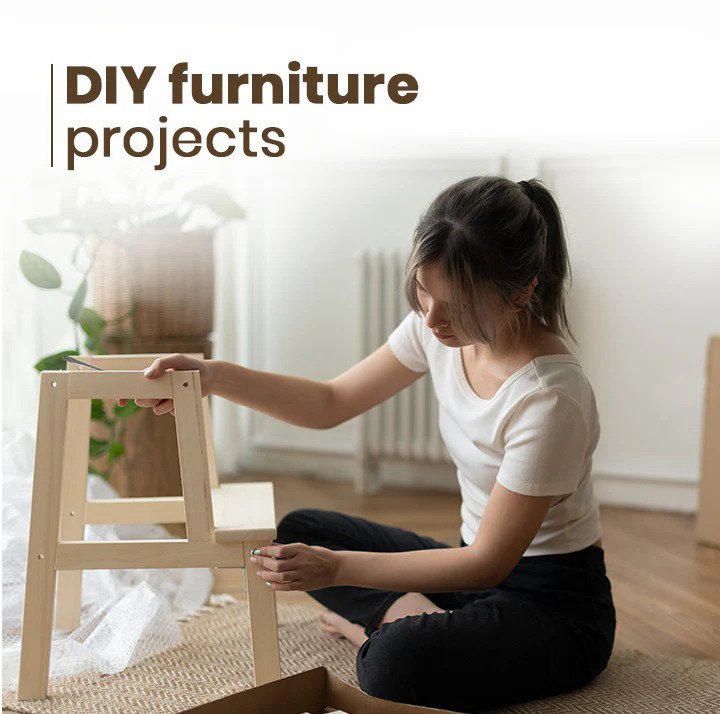
Another major factor is cost. Custom-made furniture from high-end designers can be expensive. By sourcing your own materials and putting in some effort, you can create high-quality pieces at a fraction of the price. Additionally, with the help of online tutorials and platforms like YouTube and Pinterest, even beginners can learn woodworking and furniture-making skills from home.
The Benefits of Building Your Own Furniture
1. Complete Customization
DIY projects allow you to tailor every detail—size, color, material, and finish. Whether you need a narrow desk for a small apartment or a large farmhouse-style dining table, you can design furniture that perfectly fits your needs and aesthetic.
2. Budget-Friendly Solutions
With proper planning, DIY furniture can significantly reduce costs. Reclaimed wood, pallets, or repurposed materials can be transformed into beautiful, functional pieces. Many people also upcycle old furniture, giving it a new life with fresh paint or hardware.
3. Sustainability
DIY furniture often promotes sustainability. Repurposing materials reduces waste and minimizes the demand for mass production. Choosing eco-friendly finishes and responsibly sourced wood also contributes to a greener lifestyle.
4. Personal Satisfaction
There’s a unique sense of pride that comes from building something with your own hands. Every scratch, brushstroke, or small imperfection becomes part of the story behind the piece. Unlike store-bought items, DIY furniture carries sentimental value.
Popular DIY Furniture Projects
If you’re new to DIY, start small and build confidence. Some popular beginner-friendly projects include:
- Floating shelves – Simple, stylish, and perfect for storage.
- Coffee tables – A basic wooden table can transform your living room.
- Bed frames – Wooden pallet bed frames are trendy and affordable.
- Bookshelves – Great for maximizing vertical space.
For those with more experience, advanced projects like dining tables, wardrobes, or outdoor patio sets can become rewarding challenges.
Essential Tools and Materials
Before starting, make sure you have basic tools such as:
- Measuring tape
- Power drill
- Saw (hand saw or circular saw)
- Sandpaper or electric sander
- Paintbrushes or rollers
Quality materials are just as important. Solid wood is durable but may be pricier, while plywood and MDF offer budget-friendly alternatives.
Tips for DIY Success
- Plan carefully – Measure your space accurately and sketch your design beforehand.
- Start simple – Build confidence with easy projects before tackling complex designs.
- Invest in safety – Always wear protective gear when cutting or sanding materials.
- Take your time – Rushing can lead to mistakes and uneven finishes.
The Future of DIY Furniture
As social media continues to inspire creativity and sustainability becomes more important, DIY furniture is likely to remain popular. More people are discovering the joy of hands-on craftsmanship and the satisfaction of creating functional art for their homes.
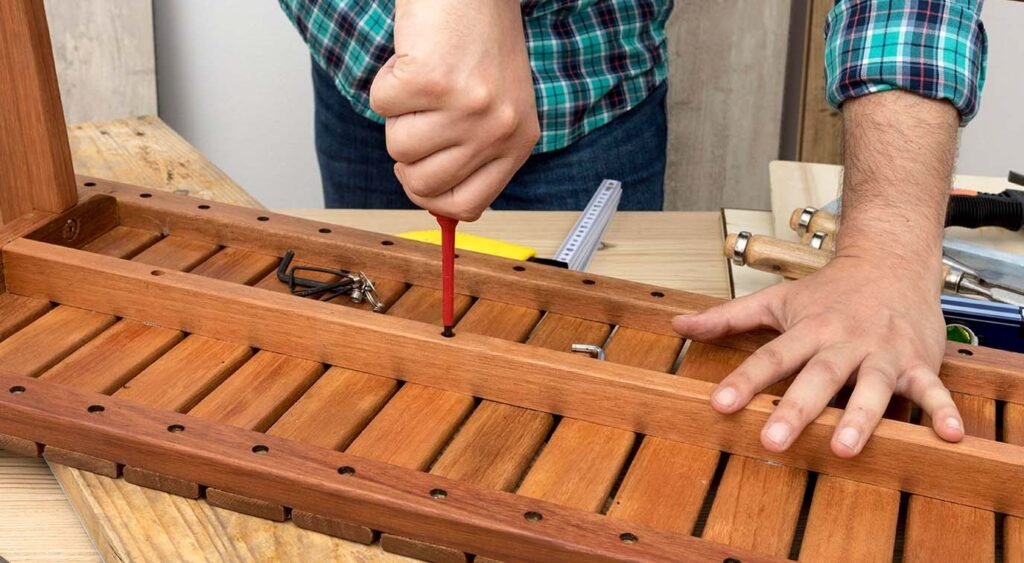
DIY furniture is more than just a trend—it’s a movement toward individuality, creativity, and conscious living. Whether you’re crafting a small shelf or redesigning an entire room, building your own furniture allows you to turn imagination into reality—one project at a time.










Stay Informed With the Latest & Most Important News
Previous Post
Next Post











-
 01Celebrities Making Headlines with Climate Activism and Awareness
 -
 02The EV Revolution: How Electric Cars Are Taking Over the Roads
 -
 03The Manufacturing of Robots: From Concept to Intelligent Machines
 -
 04The Future of Wearable Tech: Ray-Ban AI Glasses Explained
 -
 05Top Tips to Stay Motivated and Avoid Burnout While Working Remotely
 -
 06Banaras: A Timeless Journey Through India’s Spiritual Heart
 -
 07Online Clothing Shopping: Convenience, Choice, and the Future of Fashion