


Travel often means experiencing new cultures, breathtaking scenery, and unforgettable moments. But right now, global instability has made certain destinations genuinely risky — not just for short-term inconvenience, but for safety, security, and basic wellbeing. Here’s a clear look at the places most travelers are being advised not to visit in 2026, and why.
✈️ What “Don’t Travel” Really Means

Many countries publish travel advisories to help their citizens make informed decisions. The U.S. Department of State classifies destinations from Level 1 (exercise normal precautions) up to Level 4: Do Not Travel — the highest warning. Level 4 is reserved for countries where threats like war, terrorism, kidnapping, or crime are so severe that governments strongly recommend staying away.
Likewise, the UK Foreign, Commonwealth & Development Office (FCDO) and other national advisories also list places where travel — especially for tourism — is discouraged or dangerous.
🌍 Top Countries You Should Avoid Right Now
1. Afghanistan
Afghanistan remains one of the world’s most perilous countries for visitors. Decades of conflict, terrorism, and a volatile security environment make independent travel extremely dangerous. Kidnappings, attacks, and armed clashes happen frequently, and most governments refuse to offer consular support.
2. Syria
Years of civil war and ongoing combat involving multiple armed groups have left Syria unstable. The risk of violence, kidnappings, and lack of safe infrastructure means travel here is heavily discouraged.
3. Yemen
Yemen’s long-running conflict between factions, extreme civilian hardship, and terrorism threats make it dangerous for any but essential travel. Armed clashes, landmines, and limited access to basic services further elevate risk.
4. Libya
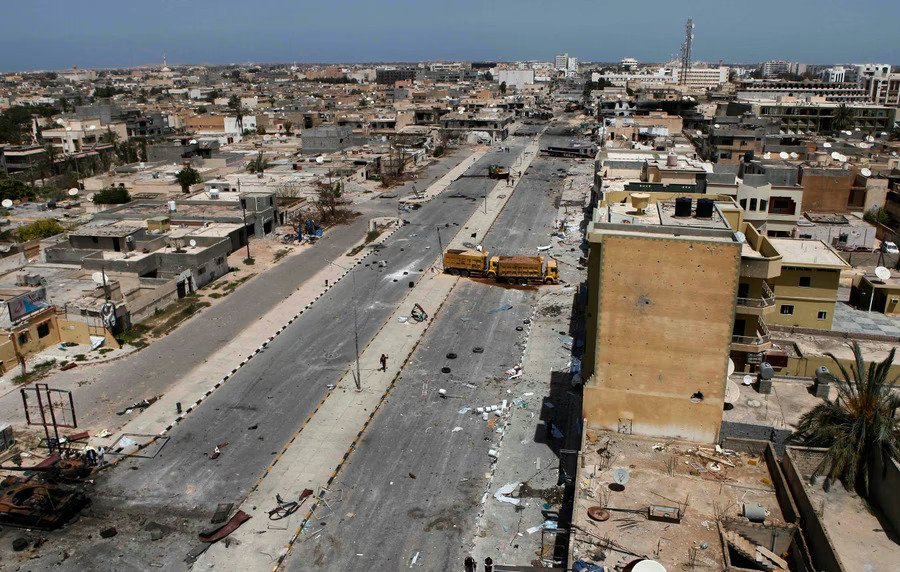
Despite occasional glimpses of stability in parts of Libya, ongoing militia activity, kidnappings, and political fragmentation make it a high-risk destination with little reliable security.
5. Somalia
Somalia’s chronic instability, including terrorism, piracy off the coast, and weak law enforcement, keeps it on many “do not travel” lists. Travelers face an unpredictable security environment and limited support.
🚨 More Countries on High Alert
Many countries have Level 4 “Do Not Travel” advisories due to terrorism, conflict, kidnapping risk, or civil unrest. These include:
- Belarus – Political risks and detention concerns.
- Burkina Faso – Terrorism and kidnappings.
- Central African Republic – Widespread violence.
- Haiti – Volatile security and gang activity.
- Iran – Significant unrest and risk to foreigners.
- Iraq – Ongoing terrorism threats.
- Lebanon – Economic and security instability.
- Mali & Niger – Extremist violence and instability.
- North Korea – Strict controls and detention risks.
- Russia & Ukraine – Conflict zones tied to ongoing war.
- Sudan & South Sudan – Armed confrontations and civil unrest.
- Venezuela – Crime, instability, and political risk.
These advisories are not just bureaucratic caution — they reflect real dangers ranging from armed conflict to insufficient medical and emergency services.
🧭 Border Zones and Partial Warnings
It’s not just whole countries that can be risky — border regions often have heightened danger. For example, governments may warn against travel near active conflict borders like those between Armenia and Azerbaijan, or around certain areas in Nigeria and Pakistan.
🧳 Travel Tips for Uncertain Times
Even if certain destinations remain appealing, responsible travel today means:
- Checking official travel advisories from multiple countries (your own included).
- Monitoring local news for sudden changes.
- Keeping plans flexible and having emergency contacts ready.
- Ensuring comprehensive travel insurance that covers evacuation.
🗺️ Final Thoughts
The map of safe travel is constantly evolving, especially in a world facing ongoing conflicts, political upheavals, and security threats. Some nations on traditional travel lists today are simply not worth the risk for leisure visitors. Understanding where these risky destinations are — and why warnings exist — is part of being a smart, prepared traveler.
Stay curious — and stay safe. 🌍✈️










Related Posts



Stay Informed With the Latest & Most Important News
Previous Post
Next Post











-
 01Essential Skills Every Professional Needs for Success in 2024
 -
 02Are Cities Ready for the Electric Vehicle Boom in 2024?
 -
 03Inside the Making of This Year’s Most-Anticipated Blockbuster
 -
 04Sleep Science Shows Why Quality Matters More Than Duration
 -
 05The Future of Self-Driving Cars
 -
 06DIY Home Remedies: Natural Solutions for Everyday Health and Wellness
 -
 07A Journey to Sri Lanka: The Pearl of the Indian Ocean