

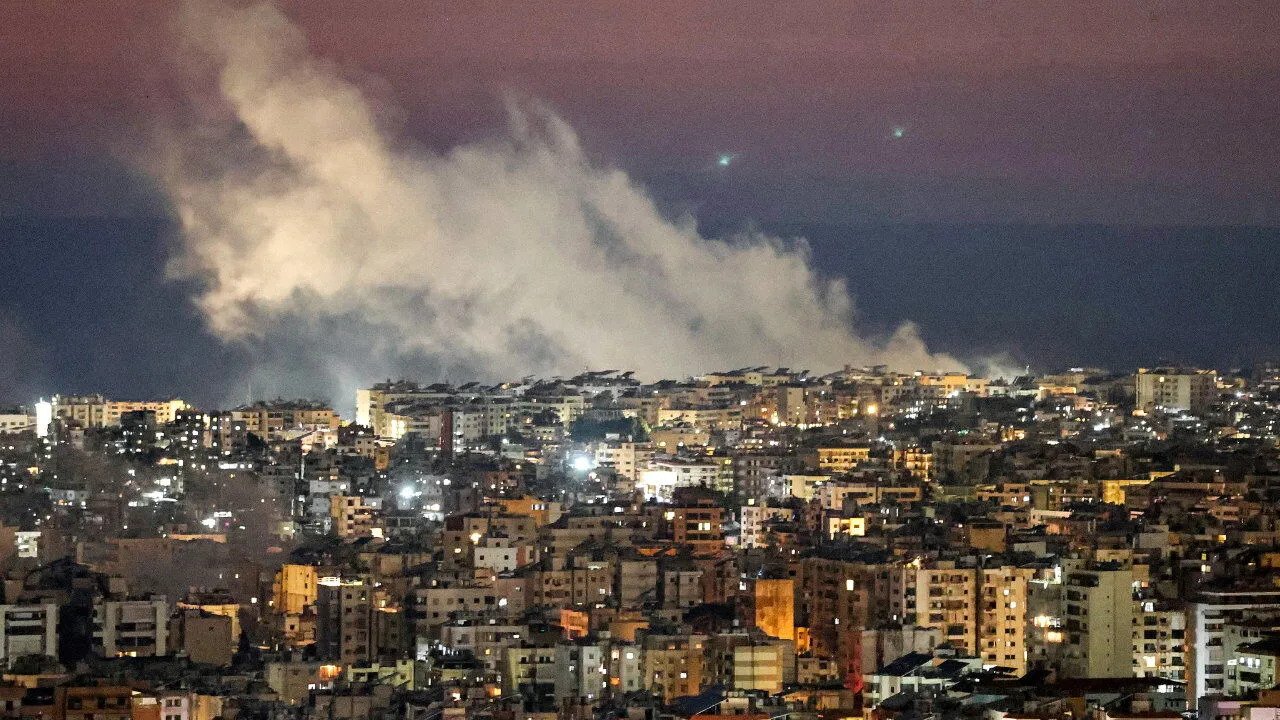
In early March 2026, the Middle East witnessed one of the most dramatic escalations of warfare in recent history as the United States and Israel launched a coordinated military campaign against Iran. The offensive — involving airstrikes, missile launches, and naval engagements — has ignited a region-wide crisis that goes far beyond the Iran-Israel dispute and into wider geopolitical turmoil.
The Spark That Ignited the War
The conflict erupted on 28 February 2026, when Israeli and U.S. forces initiated a large-scale operation targeting Iranian military infrastructure. This offensive was named Operation Lion’s Roar by Israeli authorities, with the stated objective of dismantling Iran’s perceived capacity to threaten both U.S. and Israeli security. Early strikes reportedly targeted air defenses, missile launch systems, and strategic command centres in and around Tehran.
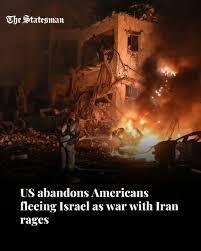
Among the most significant events was the assassination of Iran’s supreme leader, Ayatollah Ali Khamenei, in an airstrike on Tehran — a rare and historically momentous occurrence that transformed a regional military campaign into a full-fledged geopolitical crisis.
Iran’s Response and Regional Spread
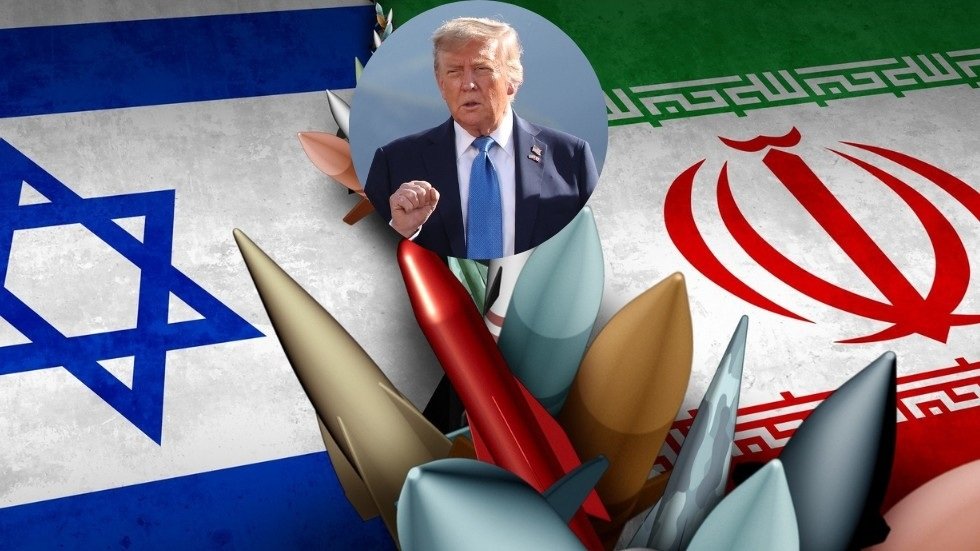
Far from conceding defeat, Iran has responded with a massive barrage of missiles, drones, and aerial attacks directed not only at Israeli territory but also at U.S. military bases and allied nations across the Gulf. These strikes have shattered the illusion that the conflict would be confined to the original belligerents.
Iran’s Revolutionary Guard and its proxies — notably Hezbollah in Lebanon — have expanded the battlefield. Hezbollah rockets have struck northern Israel, prompting Israeli forces to extend their military campaign into Lebanese territory.
Military Dynamics: Asymmetry and Firepower
The U.S. and Israeli militaries possess overwhelming air superiority, strategically striking thousands of targets within Iranian borders. According to U.S. Central Command, nearly 2,000 sites — including missile batteries, naval assets, and air defense systems — have been hit in ongoing sorties.
However, Iran has shown considerable resilience, launching well over a thousand ballistic missiles and drones in retaliation. Intercepts by regional air defenses have prevented many from reaching their intended targets, though the sheer volume underscores Tehran’s determination to resist.
Wider Regional Impact
As the conflict intensifies, its effects ripple through the broader Middle East:
- Gulf states such as the United Arab Emirates and Kuwait have faced Iranian missile and drone fire, drawing these nations into defensive postures previously avoided.
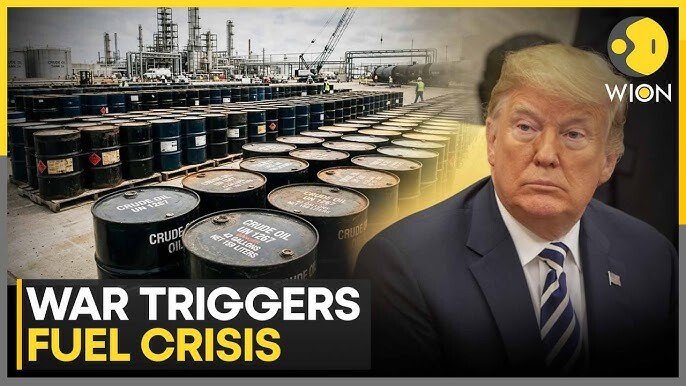
- Global energy markets have been thrown into chaos due to disruptions near the Strait of Hormuz, a critical artery for world oil shipments. Tanker traffic has significantly decreased, triggering fears of long-term price spikes.
- Civil aviation has been heavily affected, with hundreds of flights cancelled across the region as airspace closures and security concerns mount.
- International diplomatic efforts, including United Nations discussions, have struggled to contain the violence, with world leaders warning of possible wider war if de-escalation is not achieved.
Human and Economic Toll
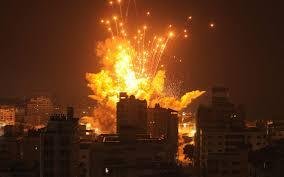
The human cost of the war is rapidly mounting. Reports indicate hundreds of casualties on both sides, including military personnel and civilians caught in bombardments and cross-fire. Entire cities in Iran and Lebanon have experienced displacement and infrastructure damage.
Economically, disruptions in shipping and energy markets have already affected global supply chains, worsening inflationary pressures worldwide. Markets have reacted with volatility, and analysts warn of broader financial instability if the conflict drags on. (See related market impact reporting from independent sources.)
What Comes Next?
While both Israel and the United States project confidence in a swift campaign, estimations of how long this conflict will last vary widely. Israeli officials have suggested a timeframe of a few weeks, but the reality on the ground — with significant regional entanglement — suggests a far more unpredictable and potentially protracted conflict.
At this critical juncture, the world watches nervously as war, diplomacy, and strategy intersect, with each new development carrying profound consequences for regional and global stability.










Related Posts
Stay Informed With the Latest & Most Important News
Previous Post
Next Post









-
 01Conflict Escalation with the U.S. and Israel: A Region in Flames
 -
 02Inside the Making of This Year’s Most-Anticipated Blockbuster
 -
 03Experts Share Key Habits for Financial Freedom and Success
 -
 04Foods Recommended by Doctors to Boost Your Immune System Naturally
 -
 05How Time in Nature Boosts Mental Health and Reduces Stress
 -
 06Eco-Friendly Home Improvement Ideas: Build a Greener, Smarter Living Space
 -
 07Spending Time Outdoors Linked to Better Mental HealthHealth Care Roulette