

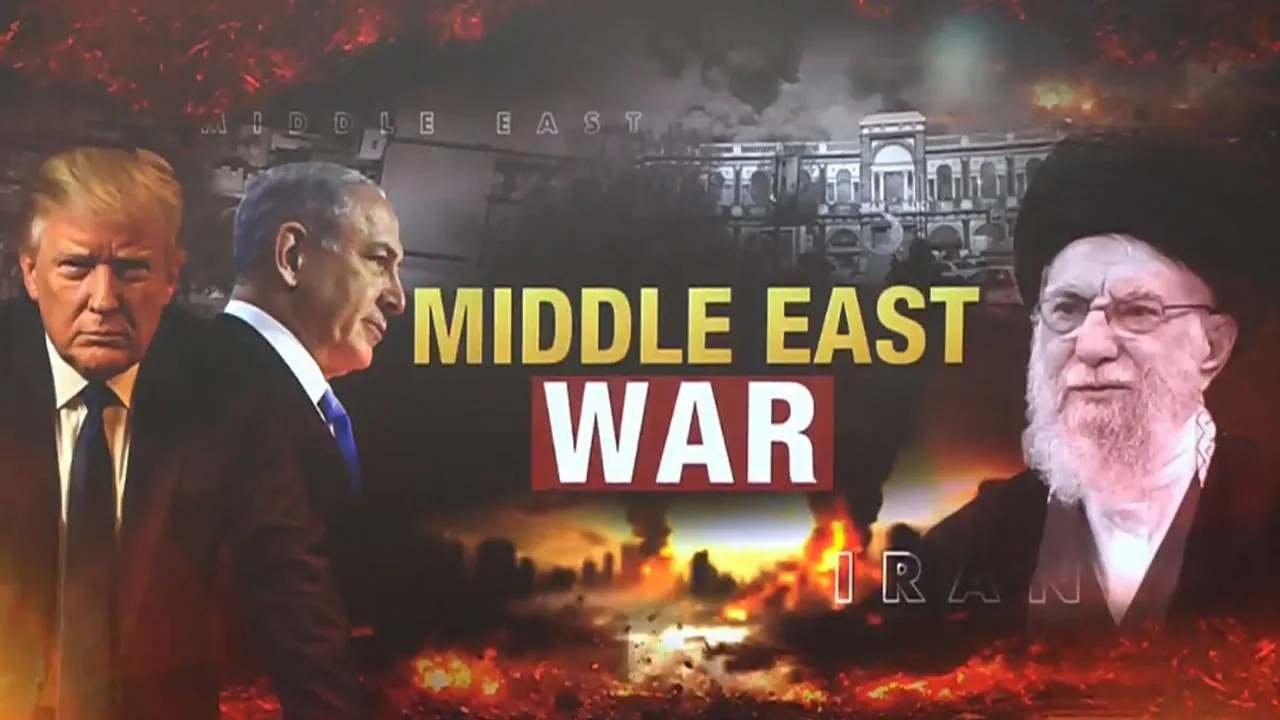
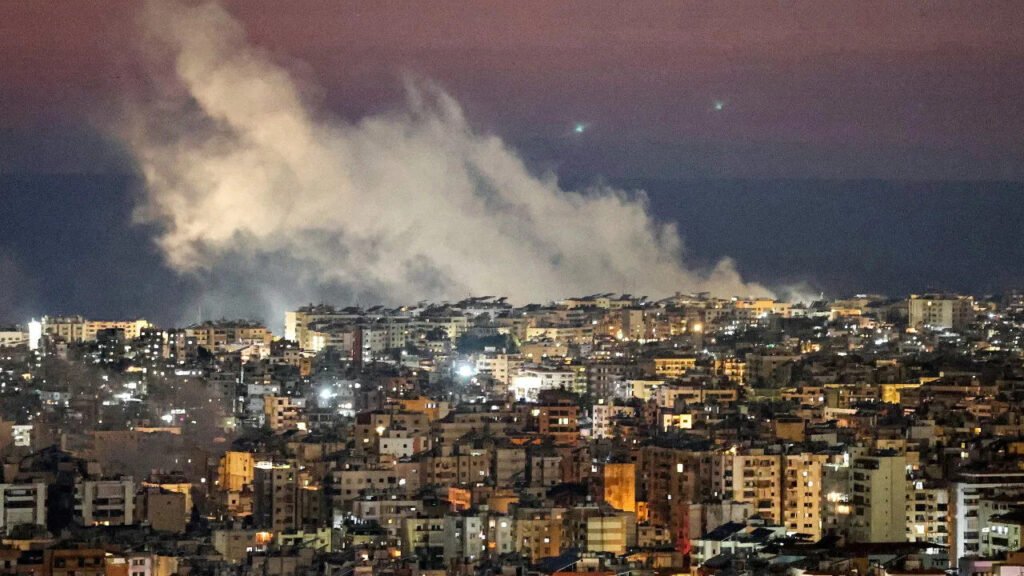
The ongoing conflict in the Middle East has become one of the most significant geopolitical events affecting global stability in recent times. As the region is a major hub for oil production, trade routes, and strategic alliances, any disruption there quickly creates ripple effects across the world. From economic instability to political tensions and humanitarian crises, the impact of this war is far-reaching and complex.
Disruption of Global Energy Supply
One of the most immediate and critical impacts of the Middle East war is on global energy markets. The region supplies a large portion of the world’s oil and gas, and disruptions in production or transportation can lead to severe consequences.
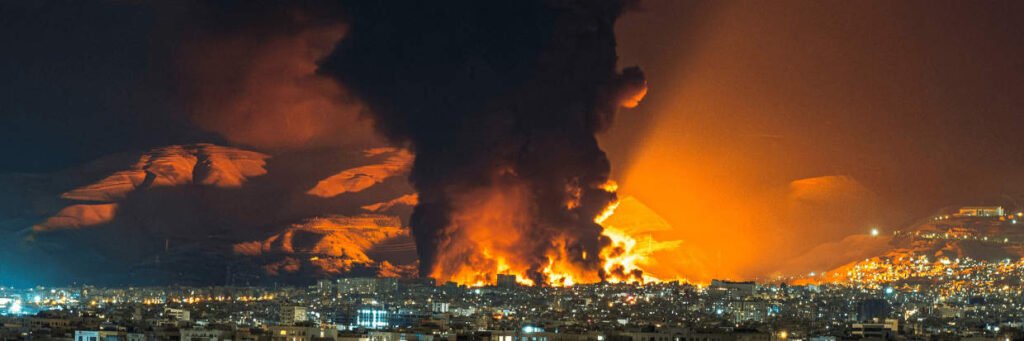
Countries like Saudi Arabia, Iran, and Iraq are among the top oil producers in the world. Any instability in these regions affects global oil supply. A key concern is the Strait of Hormuz, a crucial shipping route through which a significant portion of global oil trade passes. If this route is disrupted, it can lead to shortages and rapid price increases worldwide.
As a result, oil prices rise, directly impacting fuel costs, transportation, and production expenses across industries.
Economic Instability and Inflation
Rising energy prices have a direct effect on the global economy. When fuel costs increase, businesses face higher expenses in transportation and manufacturing. These increased costs are often passed on to consumers, leading to inflation.
Countries that rely heavily on oil imports, such as India and Japan, are particularly affected. Higher import bills can weaken currencies and increase the overall cost of living.
Stock markets also tend to become volatile during such conflicts. Investors react to uncertainty by pulling back investments, which can slow economic growth and create financial instability.
Impact on Global Trade
The Middle East plays a vital role in global trade due to its strategic location. Many international shipping routes pass through or near the region. When conflict disrupts these routes, it can delay shipments and increase transportation costs.
Higher shipping costs and delays affect the supply of goods, from fuel to food products. This can lead to shortages and higher prices in different parts of the world.
Countries that depend on imports for essential goods may face significant challenges, especially if the conflict continues for an extended period.
Political Tensions and Global Security
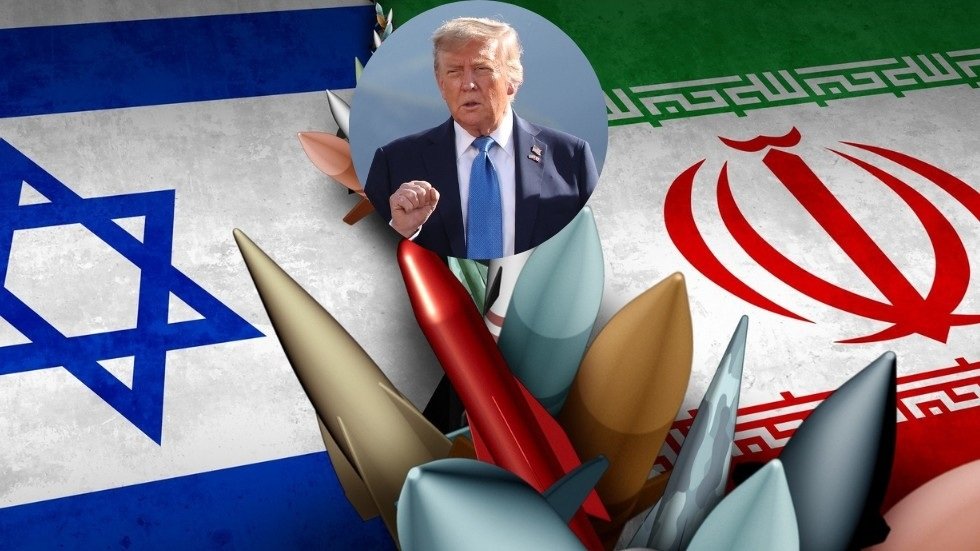
The war has also increased geopolitical tensions across the globe. Major world powers often have strategic interests in the Middle East, and conflicts in the region can strain international relationships.
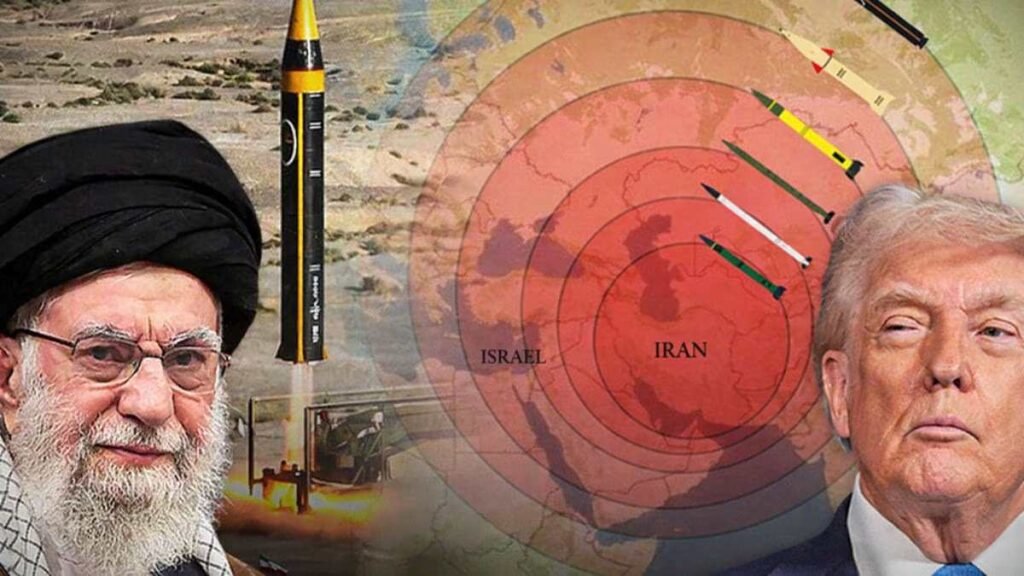
Alliances may shift, and countries may take sides based on political or economic interests. This can lead to increased diplomatic tensions and, in some cases, the risk of wider conflicts.
Global security is also affected as countries strengthen their defense systems and prepare for potential threats. This creates an environment of uncertainty and instability in international relations.
Humanitarian and Social Impact
Beyond economic and political consequences, the war has serious humanitarian effects. Conflicts in the Middle East often lead to displacement of people, creating refugee crises. Neighboring countries and regions may struggle to support large numbers of displaced individuals.
Additionally, rising fuel and food prices can increase poverty levels, especially in developing nations. Many families may find it difficult to afford basic necessities, leading to social challenges.
Healthcare systems can also come under pressure, particularly in regions directly affected by the conflict.
Long-Term Global Consequences
The long-term impact of the Middle East war on global stability depends on how long the conflict continues. Prolonged instability could result in sustained high energy prices, slower economic growth, and increased global tensions.
At the same time, such crises often push countries to explore alternative energy sources. Investments in renewable energy, electric vehicles, and energy efficiency may increase as nations try to reduce dependence on fossil fuels.
Conclusion
The Middle East war is not just a regional issue—it has global implications that affect economies, politics, and societies worldwide. From rising fuel prices and disrupted trade to increased political tensions and humanitarian challenges, its impact is widespread.
In an interconnected world, maintaining global stability requires cooperation, diplomacy, and long-term solutions. Addressing these challenges is essential to ensure a more secure and balanced future for all nations.










Related Posts
Stay Informed With the Latest & Most Important News
Previous Post
Next Post







-
 01Experts Share Key Habits for Financial Freedom and Success
 -
 02The Rising Trend of Electric Bikes: Why E-Bikes Are Changing the Way We Ride
 -
 03Understanding the Iran–US Tension: A Geopolitical Flashpoint in 2026
 -
 04Daily Exercises to Improve Posture and Support Spine Health
 -
 05Hidden Travel Gems of the World: 7 Places You’ve Probably Never Heard Of — But Should
 -
 06Why Travel Changes Your Perspective on Life
 -
 07Fresh & Fragrant: Simple Ways to Make Your Home Smell Amazing