

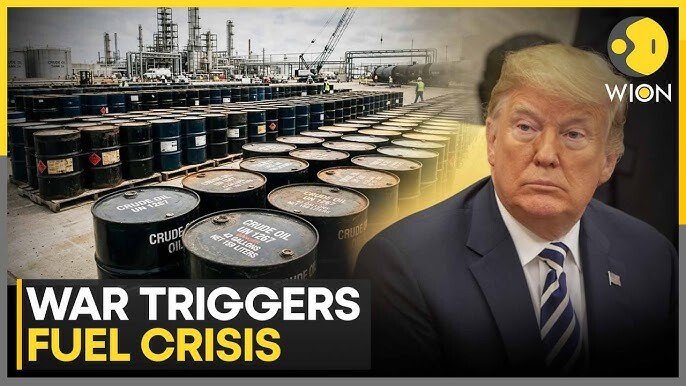
The Middle East has long been known as the heart of the global oil and gas industry. Many of the world’s largest oil reserves are located in this region, making it a crucial supplier of energy for countries across the globe. However, despite its vast resources, the Middle East occasionally faces fuel crises caused by geopolitical tensions, conflicts, economic sanctions, and disruptions in production or transportation. Such crises not only affect the region itself but also have far-reaching consequences for the global economy.
Countries such as Saudi Arabia, Iran, Iraq, Kuwait, and the United Arab Emirates are among the world’s leading producers of crude oil. These nations export millions of barrels of oil every day to major energy-consuming countries. Because a significant portion of the world’s oil supply comes from this region, any disruption in Middle Eastern energy production can trigger a global fuel crisis.
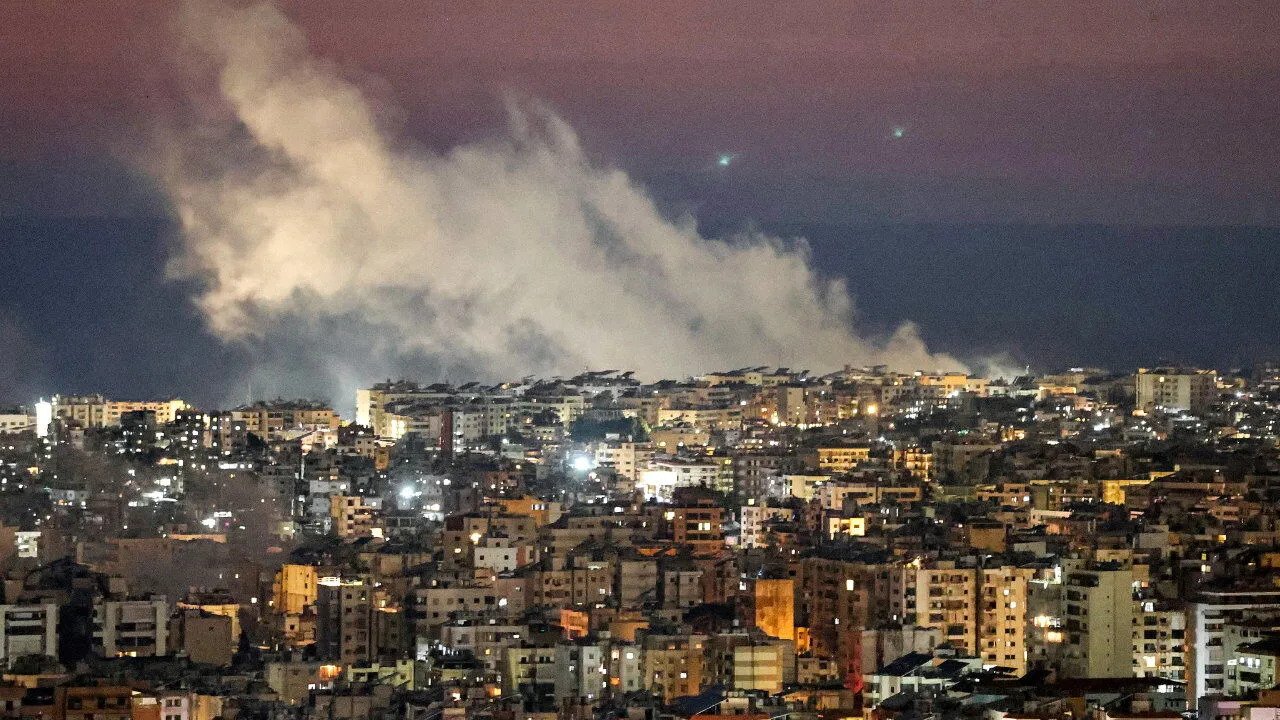
One of the major causes of fuel crises in the Middle East is geopolitical conflict. Wars, political instability, and military tensions can severely impact oil production and supply chains. For example, conflicts between regional powers or attacks on oil infrastructure can damage refineries, pipelines, and storage facilities. When these critical facilities are affected, oil production decreases and supply becomes limited. This leads to higher fuel prices both in the region and around the world.
Another factor contributing to the crisis is the strategic importance of key shipping routes. One of the most important oil transit points in the world is the Strait of Hormuz. A significant percentage of global oil exports passes through this narrow waterway connecting the Persian Gulf to international markets. If tensions or conflicts threaten this route, oil tankers may face delays or security risks, causing disruptions in supply. Even the possibility of conflict in this area can cause oil prices to rise due to uncertainty in the global market.
Economic sanctions also play a significant role in creating fuel crises in the region. When countries face international sanctions that limit their ability to export oil, global supply can be reduced. For instance, restrictions on oil exports from countries like Iran have, at times, contributed to fluctuations in global oil prices. Reduced exports from one major producer can place additional pressure on other oil-producing countries to increase production.
The fuel crisis in the Middle East also has major economic consequences. Rising oil prices increase transportation and manufacturing costs worldwide. Industries that rely heavily on fuel, such as aviation, shipping, and logistics, often experience higher operating expenses. As a result, the cost of goods and services increases, contributing to global inflation.
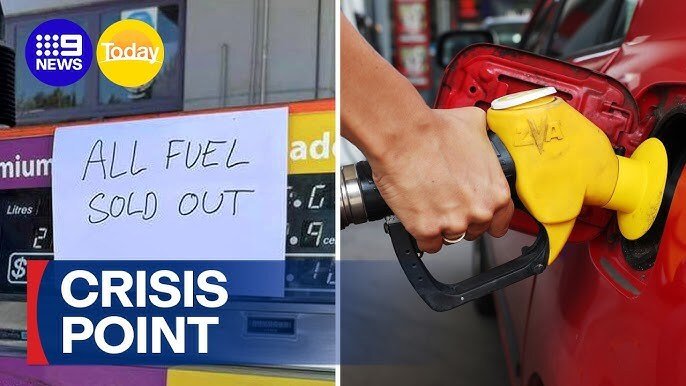
Countries that import large amounts of oil are particularly vulnerable during such crises. Nations like India and Japan depend heavily on Middle Eastern oil to meet their energy needs. When fuel prices rise due to supply disruptions, these countries face higher import bills and economic pressure. Governments may need to adjust fuel subsidies, taxes, or policies to manage the impact on their economies.
Within the Middle East itself, fuel crises can also affect domestic populations. Although the region is rich in oil resources, political instability and economic challenges sometimes lead to shortages of refined fuel products. Citizens may experience long queues at fuel stations, rising living costs, and disruptions in transportation.
In response to these challenges, many countries around the world are investing in alternative energy sources. Renewable energy technologies such as solar, wind, and hydropower are becoming increasingly important as governments seek to reduce dependence on fossil fuels. Additionally, advancements in electric vehicles and energy storage are helping diversify global energy systems.
In conclusion, the fuel crisis in the Middle East highlights the fragile nature of global energy supply chains. Geopolitical tensions, transportation disruptions, and economic sanctions can all contribute to fluctuations in oil availability and prices. Because the world remains heavily dependent on Middle Eastern energy resources, instability in the region often leads to global economic consequences. As nations continue to seek energy security, diversification of energy sources and investment in renewable technologies will play a crucial role in shaping the future of global energy.










Stay Informed With the Latest & Most Important News
Previous Post
Next Post







-
 01Global Markets Rebound as Inflation Worries Ease for Investors
 -
 022016 Is Making a Comeback in Fashion: Why the Style Cycle Is Turning Back
 -
 03Best Out of Waste in the Kitchen: Turning Scraps into Smart Solutions
 -
 04How to Save on Groceries Without Sacrificing Quality or Freshness
 -
 05New Study Reveals Simple Lifestyle Changes Linked to Longer Life
 -
 06Why Travel Changes Your Perspective on Life
 -
 07How Social Media Influences Fashion Trends