

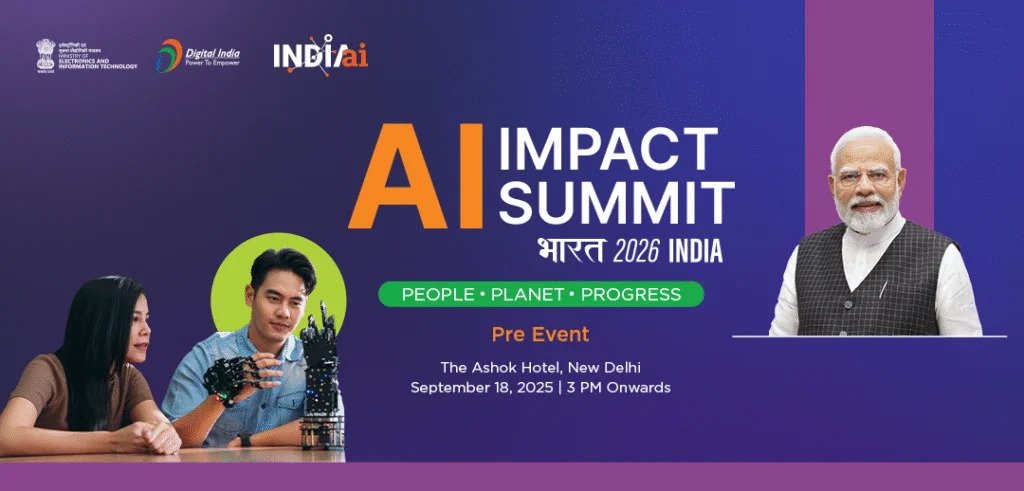
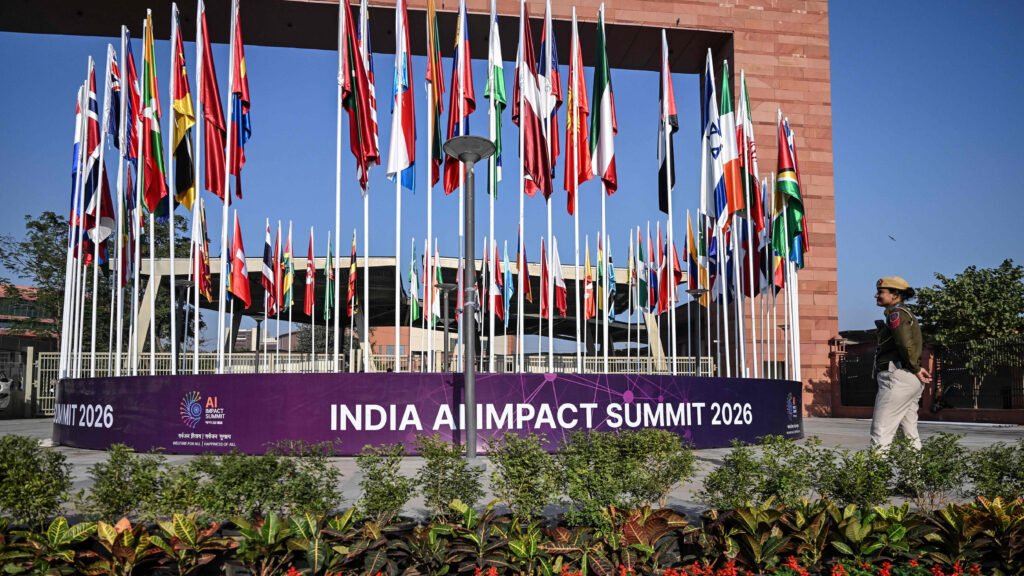
The 2026 India AI Impact Summit, held at Bharat Mandapam in New Delhi, India from February 16 to February 20, 2026, has emerged as one of the most significant global gatherings focused on artificial intelligence in recent years. Officially part of the AI Impact Summit series — following earlier events in Bletchley Park, Seoul, and Paris — this is the first time the summit has been hosted by a Global South nation, positioning India at the center of a global conversation on the future of AI.
A Global Stage for AI Leadership
With participation from over 100 countries, more than 15 heads of state and government, and CEOs from leading technology companies around the world, the summit has brought together policymakers, researchers, entrepreneurs, and civil society leaders in an unprecedented dialogue on AI’s future.
India pitched the summit around the theme of “Sarvajan Hitaya, Sarvajan Sukhaya” — welfare and happiness for all — emphasizing inclusive, responsible and human-centric AI that benefits societies broadly, especially in developing economies.
Prime Minister Narendra Modi inaugurated the summit with a call to build AI that serves humanity first, presenting India’s vision of a future where intelligence amplifies human dignity and opportunity. He stressed the importance of safety, ethical governance, and equitable access as central to AI’s deployment.
Showcasing Indian Innovation
One of the defining features of the summit has been the India AI Impact Expo — an expansive exhibition that showcases real-world AI applications through 300+ exhibitors from 30+ countries. The expo highlights how AI is transforming sectors such as healthcare, agriculture, education, and sustainable industry.
Notably, India unveiled several major homegrown AI initiatives:
- BharatGen MODELS — government-backed multilingual large language models designed to serve India’s linguistic diversity and drive use cases across sectors.
- VoicERA — an open-source voice AI stack aimed at delivering scalable speech systems across government services and community platforms.
- SATHEE, developed by IIT Kanpur, an AI platform to support personalized learning and exam preparation for millions of students, including those in rural regions.
These innovations signal India’s growing capability not just to consume global AI technology but to produce and scale AI solutions that reflect local needs and cultures.
Voices from Tech Leaders
Global tech leaders also used the platform to reflect on both AI’s promise and the responsibilities that come with it. Sundar Pichai, CEO of Google, described AI as the “biggest platform shift of our lifetime” and urged collective action between governments and industry to ensure equitable access, mitigate divides, and accelerate adoption responsibly.
Anthropic CEO Dario Amodei highlighted the potential of India’s AI ecosystem to contribute to remarkable economic growth, suggesting that with the right support, AI could help unlock unprecedented development trajectories for emerging markets.
Challenges and Controversies
Despite the high-level goals and ambitious agenda, the summit hasn’t been without criticism. On opening day, reports emerged of significant logistical challenges — including overcrowding, long queues and bottlenecks at entry points — that frustrated attendees and exhibitors alike. These organizational issues prompted public acknowledgment from Indian officials and sparked debate on execution versus aspiration.
Additionally, some high-profile speakers adjusted their participation plans, creating headlines around the summit’s organizational coordination.
A Summit with Lasting Impact
What sets the India AI Impact Summit 2026 apart is its dual focus — on global cooperation in AI governance and tangible, real-world implementations. By prioritizing indigenous innovations and inclusive growth, the summit has challenged traditional narratives that often concentrate AI leadership solely in Western tech hubs. Instead, it emphasizes a multi-polar future where AI is shaped by voices from diverse geographies and needs.
As the summit concludes and discussions translate into policy recommendations, collaborations, and new ventures, its true legacy will be measured by how effectively AI can be harnessed to solve real challenges — from climate change to healthcare accessibility — in ways that uplift billions of people globally.
In a world racing toward increasingly powerful AI systems, India’s message at this summit is clear: AI must be developed and governed for humanity — not just for technological edge.










Stay Informed With the Latest & Most Important News
Previous Post
Next Post










-
 01Travel Experts Predict Top Destinations to Shape 2024 Tourism
 -
 02Eco-Friendly Home Improvement Ideas: Build a Greener, Smarter Living Space
 -
 03Inside the Making of This Year’s Most-Anticipated Blockbuster
 -
 04Spectacular Photos of Nature from the World’s Most Scenic Spots
 -
 05Best Out of Waste in the Kitchen: Turning Scraps into Smart Solutions
 -
 06Celebrities Making Headlines with Climate Activism and Awareness
 -
 07How Time in Nature Boosts Mental Health and Reduces Stress