

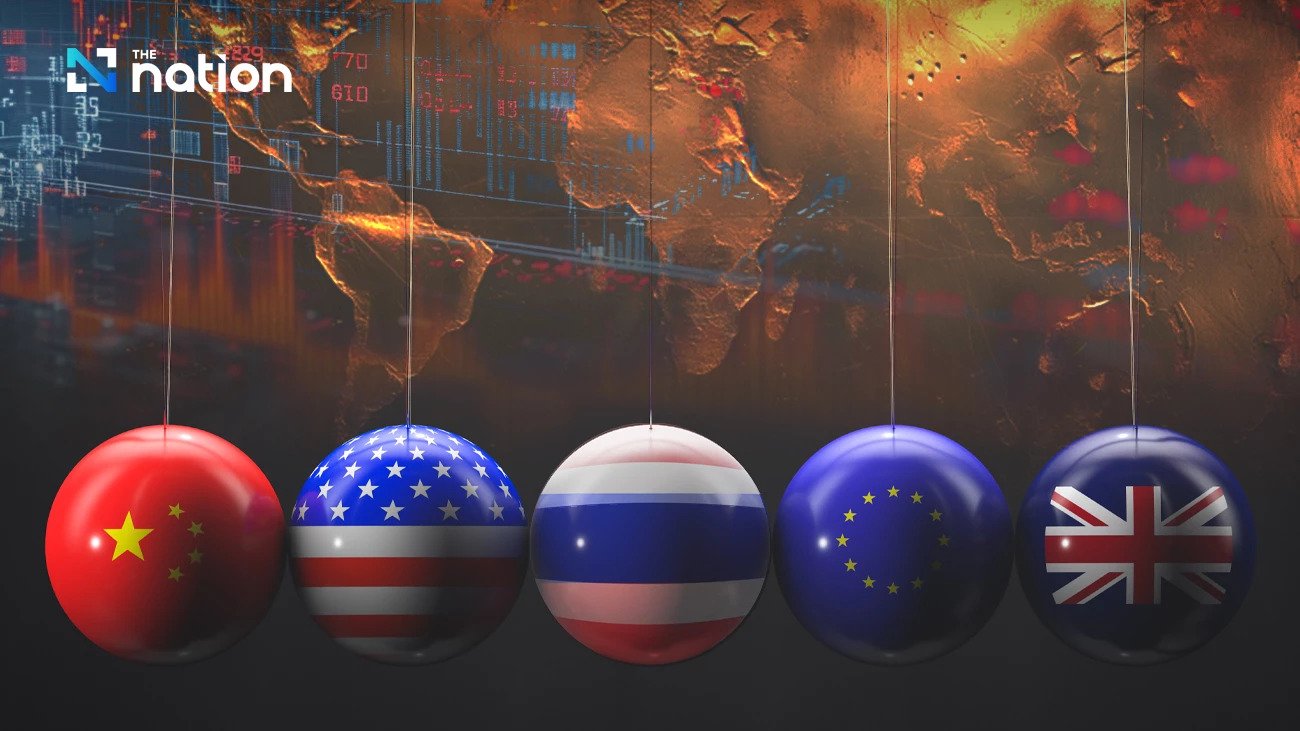
In recent years, geopolitical tensions have become a constant presence in global news. Conflicts between nations, trade disputes, military standoffs, and diplomatic breakdowns are no longer distant events happening “somewhere else.” In an increasingly interconnected world, these tensions ripple outward, affecting the daily lives of ordinary citizens in ways that are often subtle but deeply impactful.

Understanding Geopolitical Tensions
Geopolitical tensions arise when countries compete over power, resources, territory, or influence. These conflicts may involve military action, economic sanctions, cyber warfare, or political pressure rather than direct fighting. While governments and global institutions manage these disputes at high levels, the consequences rarely stay confined to political leaders or borders.
For everyday citizens, geopolitical tensions often translate into economic uncertainty, rising prices, social anxiety, and changes in public policy. Even those living far from conflict zones can feel the effects.
Economic Impact on Daily Life
One of the most immediate ways geopolitical tensions affect citizens is through the economy. Trade restrictions, sanctions, and disrupted supply chains can lead to higher prices for fuel, food, and everyday goods. Energy markets, in particular, are highly sensitive to international conflict, and instability in one region can cause fuel costs to rise globally.
Inflation linked to geopolitical instability puts pressure on household budgets, especially for low- and middle-income families. Job markets may also feel the strain, as businesses delay investments or reduce operations due to uncertainty. For many people, global politics show up not as headlines, but as tighter finances and fewer opportunities.
National Security and Public Policy Changes
Rising tensions often push governments to prioritize national security. This can mean increased military spending, stricter border controls, or expanded surveillance measures. While these actions are often framed as protective, they can also affect civil liberties and public trust.
Citizens may notice changes such as increased airport security, restrictions on certain technologies, or new regulations around online activity. In some cases, governments may redirect funding from social programs to defense budgets, affecting healthcare, education, or infrastructure development.
Social and Psychological Effects
Beyond economics and policy, geopolitical tensions influence how people feel. Constant exposure to news about conflict, war, or global instability can increase anxiety, fear, and uncertainty. Many people worry about the future—whether that means concerns about safety, economic stability, or the prospects facing younger generations.
These tensions can also deepen social divisions. Political disagreements about foreign policy, immigration, or national identity may create polarization within societies. Misinformation and propaganda can spread more easily during times of conflict, making it harder for citizens to trust what they see and hear.
Impact on Travel, Migration, and Global Mobility
Geopolitical instability affects how freely people can move around the world. Travel restrictions, visa changes, and security concerns may limit tourism, work opportunities, or study abroad programs. For some regions, rising tensions lead to displacement, forcing families to migrate in search of safety and stability.
Even for those not directly affected, these movements influence housing markets, labor availability, and cultural dynamics in host countries. Global tensions, therefore, reshape communities far beyond the borders of conflict zones.
What Can Everyday Citizens Do?
While individuals may feel powerless in the face of global tensions, staying informed is a meaningful first step. Seeking reliable news sources, understanding multiple perspectives, and avoiding sensationalism can help citizens make sense of complex events.
Civic engagement also matters. Voting, participating in public discussions, and supporting organizations that promote peace, humanitarian aid, and international cooperation can create positive pressure for change. On a personal level, fostering empathy and open dialogue helps counter fear and division.
Looking Ahead
Rising geopolitical tensions are likely to remain a defining feature of the modern world. For everyday citizens, the challenge lies in navigating uncertainty while staying informed, resilient, and engaged. Understanding how global conflicts shape daily life empowers individuals to respond thoughtfully—not with fear, but with awareness and responsibility.










Stay Informed With the Latest & Most Important News
Previous Post
Next Post







-
 01Understanding the Iran–US Tension: A Geopolitical Flashpoint in 2026
 -
 02How Time in Nature Boosts Mental Health and Reduces Stress
 -
 03Essential Skills Every Professional Needs for Success in 2024
 -
 04The Fuel Crisis in the Middle East: Causes, Impact, and Global Consequences
 -
 05Bringing the ’70s Back: How to Renovate with Retro Flair (Without Looking Dated)
 -
 06Stunning Photos Capture Nature’s Beauty from Around the World
 -
 07The Future of Self-Driving Cars